Thinking about buying pre-construction in Cabo Del Sol? It can be an exciting way to secure a home in one of the Cabo Corridor’s best-known resort communities, but it also asks you to make decisions before the finished property is in front of you. If you want more clarity on how the process works, what to verify, and where international buyers need to be especially careful, this guide will walk you through it step by step. Let’s dive in.
Why Cabo Del Sol draws pre-construction buyers
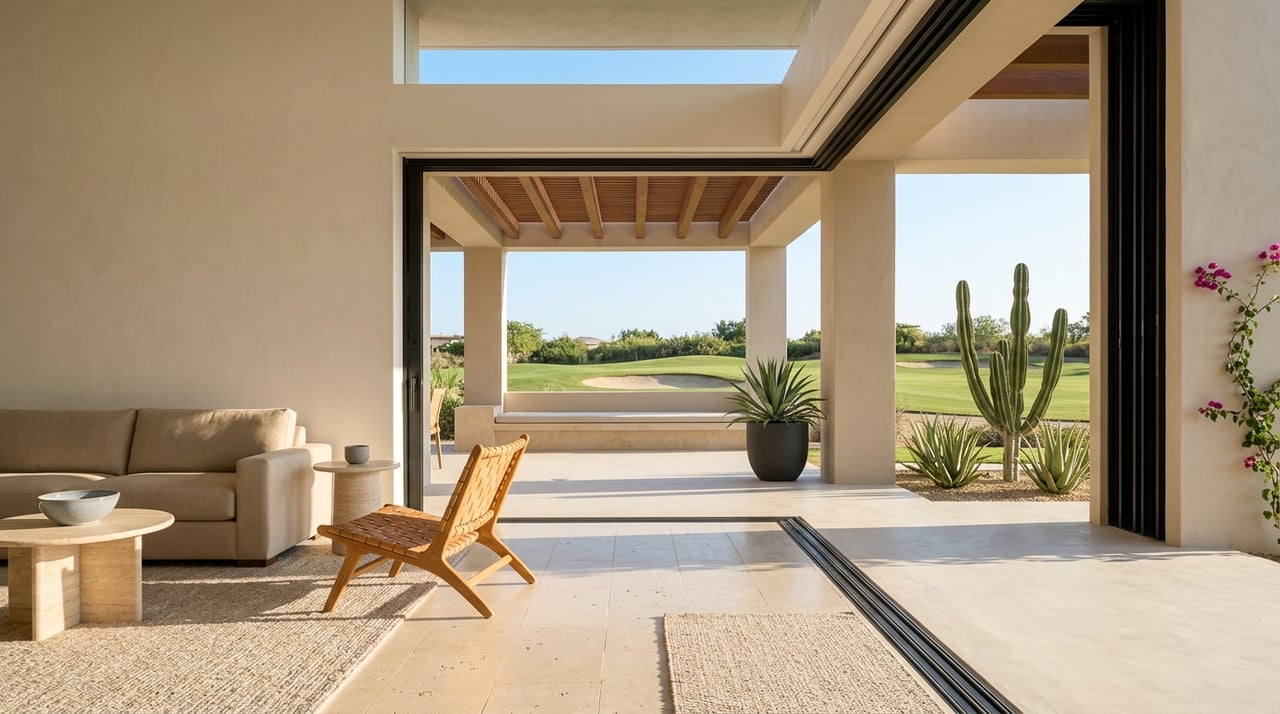
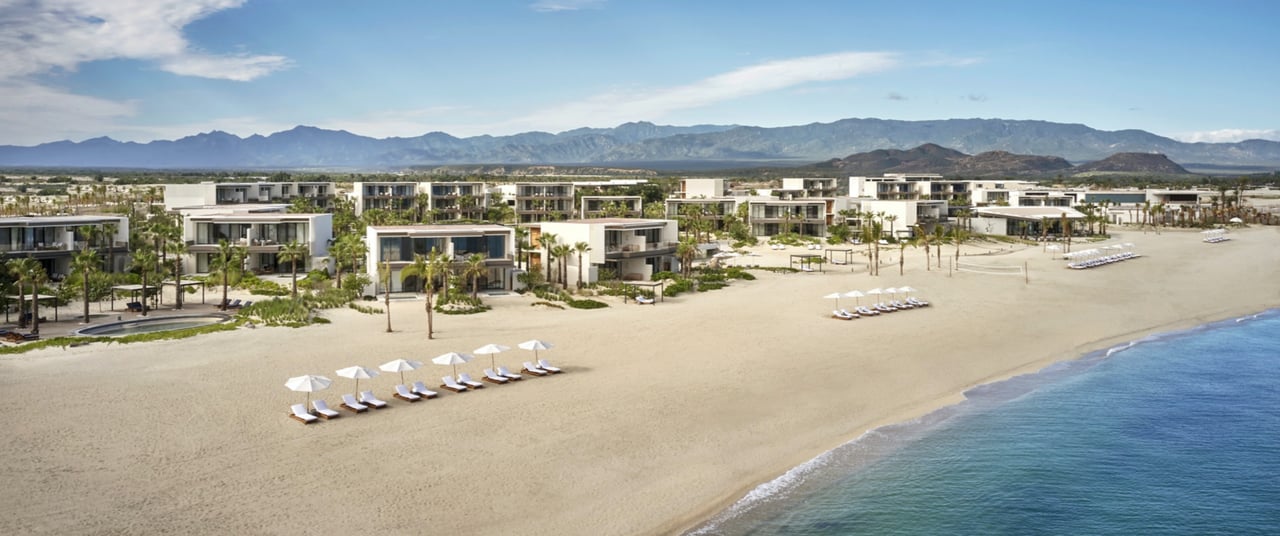
Cabo Del Sol is a master-planned resort community in the Los Cabos Corridor with roughly 1,800 acres, golf, swimmable beaches, and resort hospitality anchors. For many buyers, that combination supports both lifestyle value and long-term appeal.
When you buy pre-construction here, you are not only buying a residence. You are also buying into a broader master plan, future amenity timing, and the experience the community is designed to deliver over time. That makes due diligence especially important.
Step 1: Start with document-first due diligence
Before you place a deposit, ask for the key documents that explain exactly what is being sold and who is authorized to sell it. This first step can protect you from confusion later.
Under Mexico’s NOM-247 disclosure framework for pre-sales, buyers should review the developer’s legal identity, proof of ownership or authority to sell, current permits and licenses, the project executive, floor plans, finishes, services, and the projected delivery date. These are not minor details. They shape what you are actually agreeing to purchase.
What to request early
Ask for these items before moving forward:
- Developer legal identity
- Proof of land ownership or authority to sell
- Current permits and licenses
- Project executive information
- Floor plans and architectural plans
- Finish and materials package
- Included services and utilities
- Projected delivery date
If you are comparing multiple options in Cabo Del Sol, keeping these documents side by side can help you evaluate them more clearly. It also gives you a cleaner way to compare value beyond price alone.
Step 2: Understand the reservation stage
Many pre-construction purchases begin with a reservation or promise-to-buy agreement. This can help you hold a unit while the next documents are prepared, but it should be treated as a temporary step, not the full legal picture.
Under NOM-247, promise contracts must be registered with PROFECO and must state the date of the definitive contract and what happens if either party does not sign it. That means you should not rely on a casual summary or verbal explanation.
Why this step matters
A reservation can feel simple, especially in a fast-moving luxury development. Still, you want to know exactly what the deposit does, how long the unit is held, and what happens next.
If terms used in practice differ from the registered contract in a way that harms the consumer, NOM-247 treats those differences as not written. For you, the practical takeaway is simple: get the paperwork and read it closely before treating a reservation as a firm commitment.
Step 3: Review the pre-sale contract carefully
Once you move beyond reservation, the formal contract becomes the center of the transaction. This is where the purchase terms should be clearly spelled out in writing.
The contract should state the price, payment methods, installment schedule, delivery date, cancellation procedure, penalties, warranties, optional upgrades, and whether the project is subject to a mortgage, fiduciary structure, or other lien. In a pre-construction purchase, these details matter just as much as the view, layout, or amenity package.
Key contract points to confirm
Before signing, make sure you understand:
- Total purchase price
- Payment calendar and installment amounts
- Delivery date
- Cancellation process
- Penalties for delay or non-performance
- Warranty terms
- Upgrade options and pricing
- Whether there are liens or encumbrances tied to the project
If the project changes during construction, the seller must notify you, and you must authorize the change in writing. That is an important safeguard, especially in a resort community where finish level, layout, and amenity timing often influence the buying decision.
Step 4: International buyers should plan for the fideicomiso
For many foreign buyers in Cabo Del Sol, Mexico’s restricted-zone rules are relevant because of the community’s coastal location. According to Mexico’s Secretaría de Relaciones Exteriores, foreigners generally do not acquire direct ownership in the 50-kilometer beach zone and instead use a fideicomiso for residential property.
This trust is documented in a public deed and is generally limited to 50 years. In practical terms, that means your title structure should be part of your planning from the start, not something left until the final weeks before closing.
What the fideicomiso application typically includes
The bank fiduciary usually handles the application through SRE’s SIPAC27 system. The permit request generally asks for:
- Names of the trustor and beneficiaries
- Trust duration
- Intended property use
- Exact location
- Property dimensions
- Distance from the border or beach zone
If you are buying remotely, this is one more reason to stay organized early. Small paperwork delays can create larger timing issues later.
Step 5: Make sure the contract language works for you
For international buyers, language is a major practical issue. The contract must be in Spanish, though it can be bilingual.
If there is any discrepancy, the Spanish version controls. The provider must also hand over a signed original with its annexes, so be sure you receive the complete document set and keep it organized.
Know the cancellation window
PROFECO states that consumers have a 5-business-day cancellation window after signing. The return mechanics and any allowable operating-cost deductions must be handled according to the applicable rules.
This does not replace legal review, but it does highlight why contract timing and document clarity matter. You want to understand your rights before funds are wired, not after.
Step 6: Track construction against the written plan
After contract signing, many buyers relax and wait for updates. That is understandable, but this phase still deserves active attention.
During construction, compare progress updates with the approved plans, technical specifications, materials, services, and other written terms in your contract package. Verbal reassurances are not enough if there is a discrepancy later.
What to watch during construction
Keep an eye on:
- Layout consistency with signed plans
- Finish materials and specs
- Included features and services
- Amenity delivery timing if it affects your decision
- Any written notices of project changes
Because Cabo Del Sol is an amenity-driven, master-planned resort community, timing matters. If your buying decision depends on access to certain community features, ask how those phases are expected to align with your delivery timeline.
Step 7: Ask rental and management questions in writing
Many buyers in Cabo Del Sol are thinking about part-time use, rental income, or a more hands-off ownership model. That makes rental and management rules a key part of due diligence.
Because these policies are project-specific, do not assume they are the same across the community. Ask in writing about rental restrictions, property management options, operating requirements, and any program structure that may affect how you use the home.
This is especially important if you are buying with an investment angle in mind. Clear answers now can help you avoid friction after closing.
Step 8: Prepare remote-closing documents early
If you plan to sign from outside Mexico or use a foreign power of attorney, document formalities matter. According to SRE, foreign public documents may require apostille or consular legalization.
If apostilled documents will be used in Mexico, they should be translated into Spanish by an authorized perito. This can make remote buying very workable, but only if you prepare the paperwork before the closing timeline becomes tight.
Step 9: Confirm closing costs and escrituración
As delivery approaches, your focus should shift to closing readiness. That includes the final condition of the property, the legal transfer process, and the full list of costs due at closing.
NOM-247 requires the contract to explain escrituración and to separate closing costs such as notary, appraisal, taxes, administration, credit fees, and investigation costs. It should also state that the property must be free of gravámenes at escrituración.
What to confirm before closing
Before the deed is formalized, verify:
- Punch-list items and final finishes
- That the property matches the agreed specifications
- The full closing cost breakdown
- Whether the property is free of liens or encumbrances
- The timeline for escrituración and registration
Buyers also have the right to choose the notary. That is an important part of the process, especially if you want a professional who communicates clearly and keeps the transaction moving smoothly.
Step 10: Understand what escrituración completes
Escrituración is the legal process in which a public official recognizes you as the titleholder through a public deed. That deed is then formalized by registration in the public property registry.
In practical terms, registration is what makes the transfer effective against third parties. For that reason, the closing process is not only about signing documents. It is about completing the legal chain properly from deed to registry.
A smart Cabo Del Sol buyer’s checklist
If you want a simple way to stay focused, center your process on a few core questions:
- Who owns the land, or who is authorized to sell it?
- What permits and licenses are in place?
- What exactly is included in the finish package?
- How are project changes handled?
- When is delivery expected?
- What title or trust structure will be used?
- What are the closing costs beyond the sticker price?
- What rental or management rules apply to this specific project?
These questions are especially useful in a luxury pre-construction setting, where design, timing, and ownership structure all shape the real value of the purchase.
Buying pre-construction in Cabo Del Sol can be a strategic move when you approach it with clarity, patience, and strong documentation. The right guidance can help you evaluate the opportunity, ask sharper questions, and move through the process with more confidence.
If you are exploring pre-sale opportunities in Los Cabos and want a detail-driven, discreet advisor by your side, connect with Victoria Dorota Antoszkiewicz. She can help you navigate the buying process and coordinate the next steps with the right local professionals, including your Mexican real estate attorney, notary, and tax adviser before you wire funds or sign a deed.
FAQs
What documents should you review before buying pre-construction in Cabo Del Sol?
- You should ask for the developer’s legal identity, proof of ownership or authority to sell, permits, licenses, project plans, finish specifications, included services, and projected delivery date.
What should a reservation agreement for Cabo Del Sol pre-construction include?
- It should clearly state the date of the definitive contract and the consequences if the parties do not sign it, and it should be treated as a temporary holding step until the formal contract is reviewed.
Do foreign buyers need a fideicomiso in Cabo Del Sol?
- Because Cabo Del Sol is in a coastal area, foreign buyers will often need a fideicomiso for residential property rather than direct ownership, subject to the applicable restricted-zone rules.
What should a Cabo Del Sol pre-sale contract spell out?
- It should clearly cover price, payment schedule, delivery date, cancellation terms, penalties, warranties, upgrades, and whether the property is subject to any lien or fiduciary structure.
Can a developer change a Cabo Del Sol pre-construction project after you sign?
- If the project changes during construction, the seller must notify you, and you must authorize the change in writing.
What closing costs should you expect when buying pre-construction in Cabo Del Sol?
- Your contract should separately identify closing costs such as notary, appraisal, taxes, administration, credit fees, and investigation costs, rather than folding them into the sticker price.
What should you ask about rentals in a Cabo Del Sol development?
- Ask in writing about rental restrictions, property management options, and any operating rules that affect owner use or rental activity, since these policies can vary by project.